Publications
WML Lecture
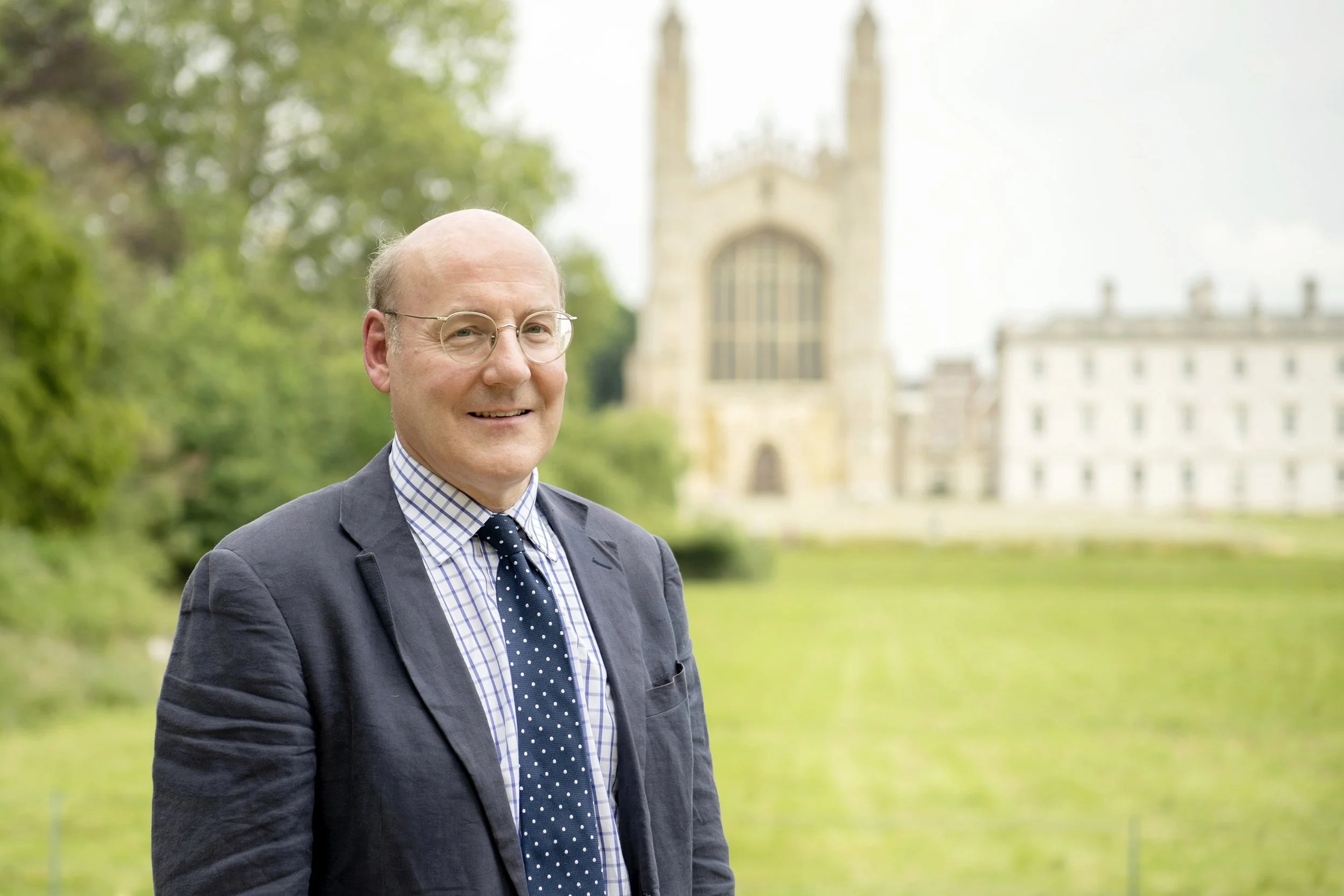
Martin Snead
MA, MD, FRCS (Eng), DO, FRCOphth
Professor Martin Snead is Hon Consultant Vitreoretinal Surgeon at Addenbrooke’s Hospital Cambridge and Director of Vitreoretinal research in the Department of Clinical Neurosciences at the University of Cambridge. He has a special interest in all aspects of retinal and vitreous surgery and for the last 30 years has led a research group investigating the pathogenesis, prevention and treatment of retinal detachment. His research is recognised as world leading in the field of Stickler syndrome - the most common form of inherited retinal detachment and the most common cause of retinal detachment in children, where the visual consequences can be particularly devastating. In 2011, the service he developed was commissioned by NHS England Highly Specialised Services to provide the national service which now has over 2,500 patients registered with this disorder.
He is a member of NSHE Rare Diseases Advisory Group and was elected to the Club Jules Gonin in 2002, He has published over 170 papers in peer reviewed journals and 15 book chapters.
Some key milestones have been
Defining genetic heterogeneity in Stickler syndrome according to vitreous phenotype and thereby the first reported pathogenic variant for Type 2 Stickler syndrome [1,2].
Identification of the genetic basis for “ocular-only” Stickler syndrome as a result of alternative splicing of COL2A1 and similarly recessive variants of Stickler associated with total congenital deafness as a result of alternative splicing of COL11A1 [3,4].
Developed and established a surgical protocol [5,6,7] that substantially reduces the risk of retinal detachment in Type 1 Stickler syndrome highlighting he need to genotype patients (particularly children) in order to stratify risk and allow timely prophylaxis
He enjoys open water swimming and all forms of fishing, with variable success underlying why his adopted son reminds him to call it “fishing” and not “catching”! He plays the bagpipes as a member of the Cambridge Caledonian Pipe Band but you will be pleased to know he has not brought them to this meeting
1. Snead, MP, Payne, SJ, Barton, DE, Yates, JRW., Al-Imara, L., Pope, FM., Scott, JD. (1994): Stickler syndrome: correlation between vitreo-retinal phenotypes and linkage to COL 2A1. Eye, 8, 609 - 614.
2. Richards, AJ., Pope, FM., Yates, JRW., Scott, JD., Snead, MP. (1996): A family with Stickler syndrome Type 2 Has a Mutation in the COL11A1 Gene Resulting in the Substitution of Glycine 97 by Valine in α1(XI) Collagen. Hum. Mol. Genet., 5, 1339 – 1343
3. Richards, AJ., Martin, S., Yates, JRW., Baguley, DM., Pope, FM., Scott, JD., Snead, MP.,(2000): COL2A1 exon 2 mutations: Relevance to the Stickler and Wagner syndromes. Br. J. Ophthalmol., 84, 364 – 371
4. Richards AJ, Fincham G, McNinch A, Hill D, Castle B, Lees M, Moore A, Poulson AV, Scott JD, Snead MP (2013). Alternative splicing modifies the effect of mutations in COL11A1 and results in recessive type 2 Stickler syndrome with profound hearing loss. J Med Genet., 50(11):765-71
5. Ang A, Poulson AV, Goodburn SF, Richards AJ, Scott JD, Snead MP (2008): Retinal detachment and prophylaxis in type 1 Stickler syndrome. Ophthalmology 115(1):164-8
6. Fincham, GS, Pasea L, Carroll, C, McNinch AM, Poulson AV, Richards AJ, Scott JD, Snead MP. (2014). Prevention of retinal detachment in Stickler syndrome: the Cambridge Prophylactic Cryotherapy protocol. Ophthalmology, 121(8):1588-97
7. Alexander P, Fincham GS, Brown S, Collins D, McNinch AM, Poulson AV, Richards AJ, Martin H, Wareham N, Snead MP. (2023) Cambridge Prophylactic Protocol, Retinal Detachment and Stickler Syndrome. N Engl J Med. 388(14):1337-1339. doi: 10.1056/NEJMc2211320. PMID: 37018499
Susruta Lecture
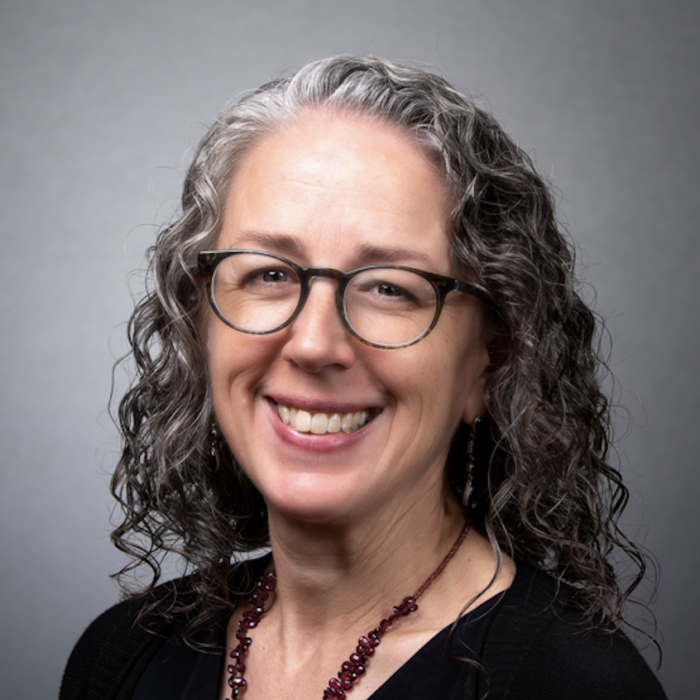
Debra Matthews
PhD, MA
Debra JH Mathews, PhD, MA, is the Associate Director for Research and Programs for the Johns Hopkins Berman Institute of Bioethics, and a Professor in the Department of Genetic Medicine, Johns Hopkins University School of Medicine. Dr. Mathews also runs the Genomics and Society Mentorship Program and serves as the Chair of the Berman Institute’s Inclusion, Diversity, Anti-Racism, and Equity (IDARE) Committee. Within the Institute for Assured Autonomy (IAA), Dr. Mathews serves as the Ethics & Governance Lead. In this role, she leads work focused on the ethical, societal, and governance implications of autonomous systems, and identifies opportunities across IAA for the integration of ethics and governance work and priorities.
Dr. Mathews’s academic work focuses on ethics and policy issues raised by emerging technologies, with particular focus on genetics, stem cell science, neuroscience, synthetic biology, and artificial intelligence. Dr. Mathews is a member of the steering committee of The Hinxton Group, an international collective of scientists, ethicists, policymakers and others, interested in ethical and well-regulated science, and whose work focuses primarily on stem cell research. She has been an active member of the International Neuroethics Society since 2006, has been on the Society’s Board of Directors since 2015, and is currently serving as President of the Society. In addition to her academic work, Dr. Mathews has spent time at the Genetics and Public Policy Center, the US Department of Health and Human Services, the Presidential Commission for the Study of Bioethical Issues, and the National Academy of Medicine working in various capacities on science policy.
Dr. Mathews earned her PhD in genetics from Case Western Reserve University, as well as a concurrent Master’s in bioethics. She completed a Post-Doctoral Fellowship in genetics at Johns Hopkins, and the Greenwall Fellowship in Bioethics and Health Policy at Johns Hopkins and Georgetown Universities.
Alumni Lecture
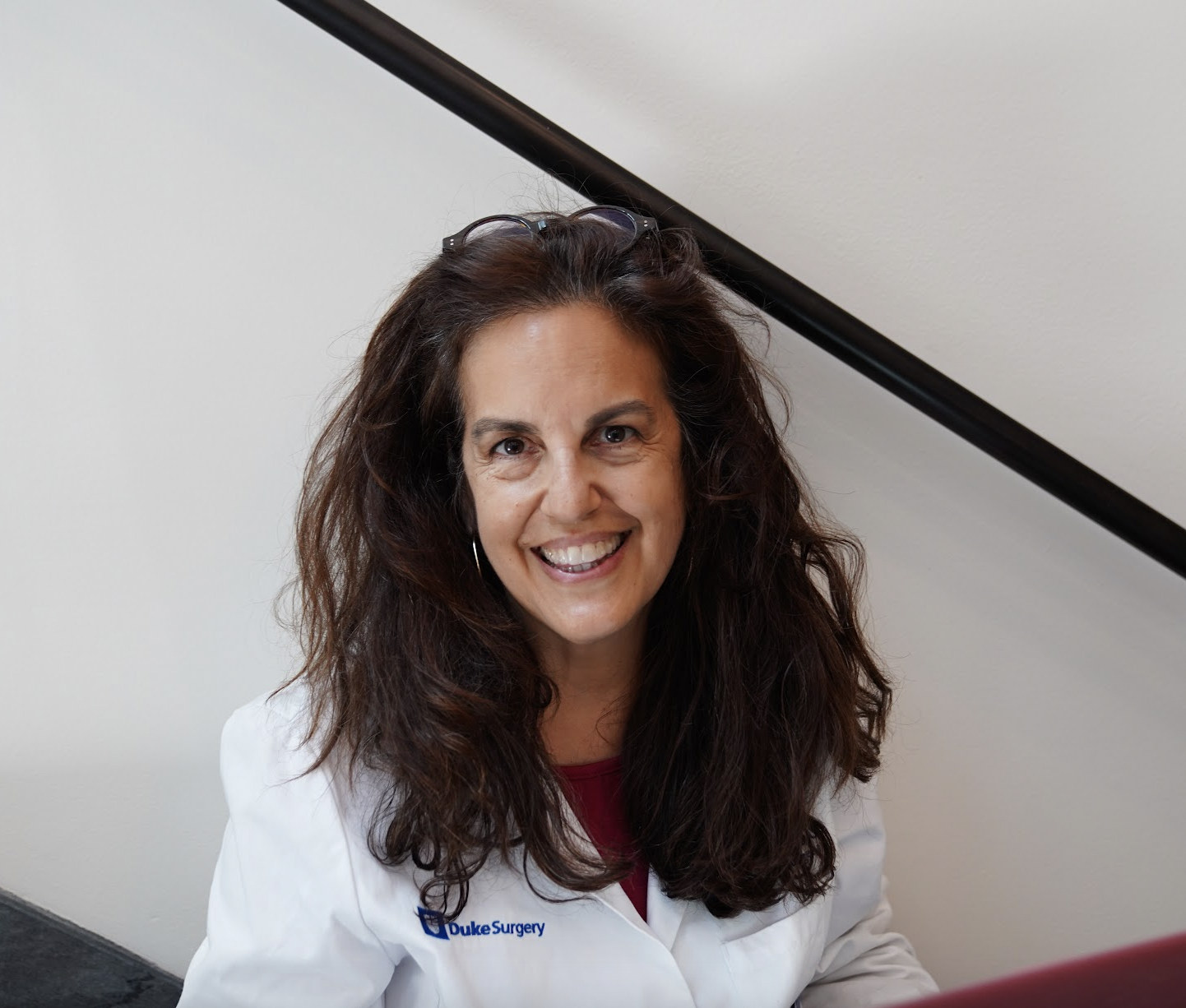
Sharon Fekrat
MAD, FSRS
Sharon Fekrat, MD, FASRS is a vitreoretinal surgeon at Duke Health, Robert Machemer MD Distinguished Professor of Ophthalmology (07.01.26), Professor of Neurology at Duke University School of Medicine, Vice Chair for Faculty Affairs in the Dept of Ophthalmology, and Associate Chief of Staff in the Durham VA Health Care System. An internationally recognized clinician, educator, and clinical researcher, she has authored > 250 peer-reviewed publications and > 50 textbook chapters, edited several books including The Duke Manual of Vitreoretinal Surgery, and serves as an Executive Editor of AJO and Editor in Chief of the Digital Journal of Case Reports in Ophthalmology. Dr. Fekrat founded and leads the iMIND research program, an international multidisciplinary effort advancing retinal imaging and AI for the diagnosis of neurodegenerative diseases, including Alzheimer’s and Parkinson’s. Her work has been featured widely in the media and presented to the US Senate. A dedicated mentor and leader, Dr. Fekrat has held numerous leadership roles, including Director of Duke Vitreoretinal Fellowship, President of the North Carolina Society of Eye Physicians and Surgeons, and Interim Chief of Surgery at the Durham VA. Her contributions to patient care, research, and education have been recognized with multiple awards and honors.